Introduction

Harvest from a small urban garden
Urban homesteading for beginners might sound impossible if you live in an apartment. Grocery store food prices increased 3.1 percent over the 12 months ending in September 2025. Within that, the index for food at home rose 2.7 percent, the same as in the year ending August 2025. Food away from home rose 3.7 percent, including a 4.2 percent increase for full-service meals and 3.2 percent for limited-service meals [1]. It’s no wonder many city dwellers are seeking more self-sufficiency and turning toward gardening and DIY skills. Yet there’s a common myth that “homesteading” is only possible if you have 20 acres of land and a tractor. The reality is quite different: urban homesteading is a mindset of production and resourcefulness that anyone can practice, even in a city apartment. As one guide puts it, urban homesteading offers city dwellers a way to achieve sustainability and self-reliance without purchasing a rural homestead [2]. In other words, you don’t need a farmhouse; you just need a willingness to grow and make the most of what you have.
Urban homesteading is growing in popularity for good reason. Concerns about food security, higher food prices, and a desire for community and greener living are all motivating people to become “modern homesteaders” right where they are [2]. In this guide, we will walk through five practical steps you can take in any city, plus how Plentifully helps you connect with neighbors so you are not doing it all alone. Plentifully is a community swapping app that helps you swap items, tools, and skills with nearby neighbors without using cash. You can begin today by growing a little in whatever space you have, wasting less, and most importantly, connecting with neighbors to swap what you don’t have. The future of homesteading is not about isolating yourself on a farm; it’s about sustainable city living supported by community.
In this guide, you will learn how to:
- Turn a balcony or windowsill into a productive mini garden
- Avoid burnout by focusing on a few skills and swapping with neighbors for the rest
- Build a cash-free “supply chain” through swapping and bartering
- Share tools and resources so nobody has to buy everything
- Close the loop with composting and a low-waste mindset
Start Small: Maximize Your Growing Space

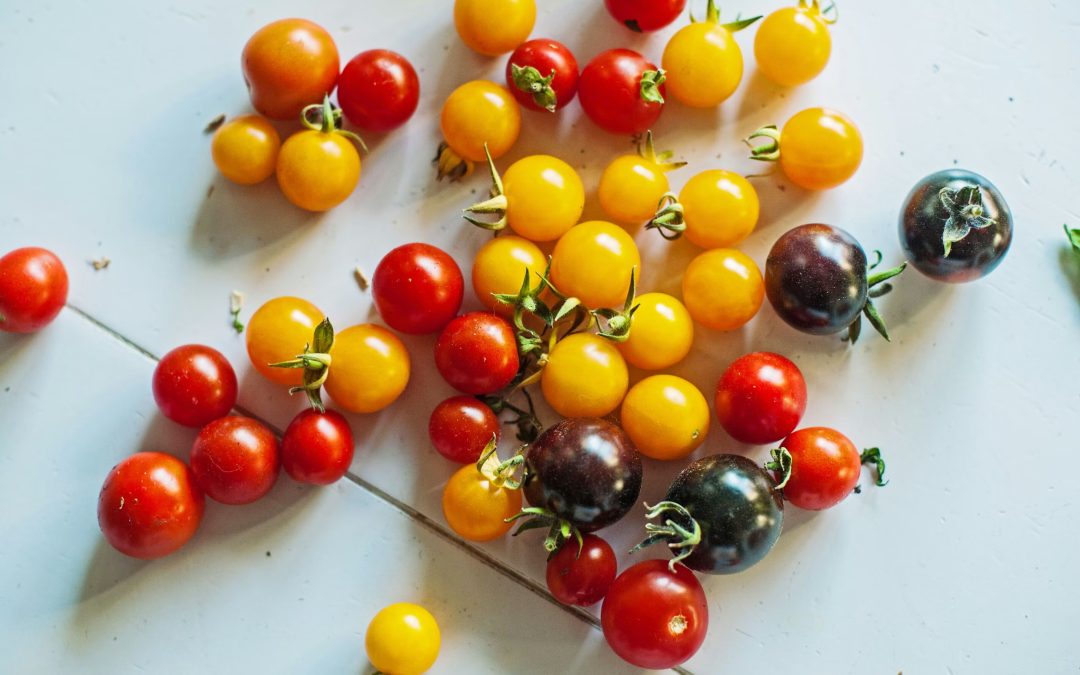
Big flavor from a tiny balcony garden
Even a tiny apartment balcony or windowsill can become a green oasis. Start small by growing a few easy, high-yield plants in containers or vertical planters. For example, a sunny balcony can host a pot of cherry tomatoes, a planter box of salad greens, and a railing basket of basil and mint. These compact crops thrive in tight spaces and reward you with a steady harvest. In fact, experts note that leafy greens, herbs, bush beans, and cherry tomatoes are excellent choices for small-space gardens because they produce a lot in containers or vertical systems [3]. Don’t overlook vertical gardening tricks like trellises or wall planters, as growing upward means more produce in less floor area.
To make the most of your space, focus on quality over quantity. A few well-tended plants that you enjoy eating will serve you better than a dozen difficult ones. Here are some ideal crops for beginners in apartments or limited outdoor space:
- Fresh herbs: Basil, mint, parsley, cilantro. Herbs grow profusely in small pots and add big flavor to your cooking. Pick as needed and they keep on giving.
- Salad greens: Lettuces, spinach, arugula, and kale can thrive in window boxes or shallow containers. They grow quickly, and you can harvest leaves continuously for an endless salad supply.
- Cherry tomatoes or peppers: Many dwarf or patio varieties of tomatoes and peppers will produce generous amounts of fruit in a 5-gallon pot. Cherry tomatoes in particular are prolific; even one plant can yield a pint of tomatoes a week at peak season.
A simple container starter kit might look like:
- 2-3 small pots for herbs
- 1 long planter box for salad greens
- 1 five-gallon bucket for a dwarf tomato or pepper plant
By starting with these high-yield, container-friendly crops, you’ll build confidence and see quick rewards. Remember, urban homesteading isn’t about having a huge garden; it’s about using every inch you’ve got wisely. A single windowsill herb garden can save you money and trips to the store. And as you get comfortable, you can always expand to larger projects (like that bucket of potatoes or a dwarf citrus tree) knowing you’ve mastered the small stuff first. No yard? No problem! Apartment gardening can be incredibly productive when you start small and smart.
The “Jack-of-All-Trades” Trap (And How to Avoid It)

Focusing on a few skills first
When starting out, many aspiring homesteaders make the mistake of trying to do it all. You imagine you need to raise chickens, keep bees, can every vegetable, build your own furniture, and bake bread daily, all while holding a full-time job. It’s a one-way ticket to burnout. The truth is that even on real farms, no single person does everything alone. Historically, each homesteader or farmer might specialize in a few skills or crops and then rely on neighbors for the rest [4]. As one modern homesteader notes, true self-sufficiency in isolation is impossible, because for most of history, survival depended on collaboration within a tight-knit community, not on individuals handling every task themselves [4]. In other words, being a homesteader doesn’t mean you must personally master every single craft and chore.
The solution: specialization and community. Embrace being really good at a few things, and partner with others for the rest. Maybe you become great at growing peppers and tomatoes, while a neighbor keeps backyard chickens, and another friend has a talent for baking or woodworking. You can swap and barter with each other to fill the gaps. This not only prevents you from stretching yourself too thin, but it also builds relationships. Don’t get caught up in the illusion of doing it all alone. While learning new skills is valuable, seeking isolation distracts from the true rewards of homesteading: connecting with others and sharing the joys and burdens [4]. In practical terms, this might mean you focus your energy on gardening and perhaps one hobby (like soap-making or sewing), and openly swap for other needs.
By avoiding the jack-of-all-trades trap, you also rediscover a core principle of urban homesteading: community resilience. A network of neighbors each contributing their specialty is far more resilient (and fun!) than one person struggling solo. So pick a couple of skills to hone, and trust the community for the rest. Homesteading isn’t an all-or-nothing solo project. It’s a team sport. As long-time homesteaders will tell you, strong communities where people swap resources and skills are the real key to thriving self-sufficiency [4]. When everyone shares a little, no one has to do it all.
Building Your Supply Chain: The Power of Swapping

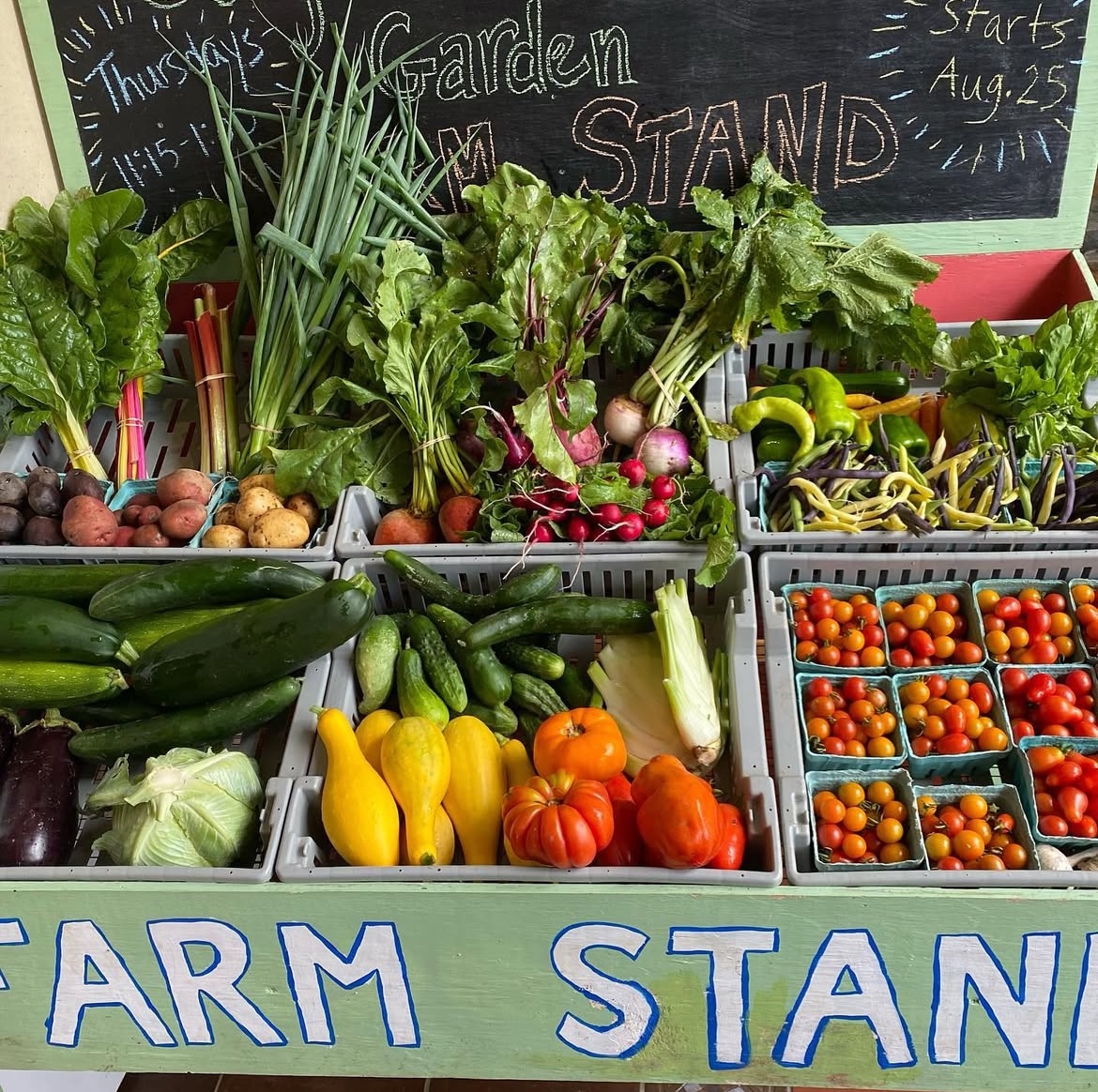
Neighbors sharing and swapping fresh produce
@colgatecommunitygarden / Instagram
One of the biggest secrets to urban homesteading success is building a personal “supply chain” through barter and swapping. Real homesteading isn’t about isolating yourself; it’s about creating a community web of exchange that benefits everyone. Think about it this way: in a traditional village, if one family had extra eggs and another had surplus vegetables, they would swap. That spirit is alive and well today once you start connecting with fellow gardeners and makers.
For example, imagine your container garden produces 20 extra cucumbers you can’t possibly eat before they spoil. Meanwhile, down the block, someone else has more lemons, jam, or homemade soap than they need. Rather than letting anything go to waste, you can swap. Swap your excess cucumbers for a few jars of your neighbor’s homemade pickles or for the canning jars you need to preserve your own harvest. In the barter economy, everything becomes worth something when there is no money involved [5]. You gain variety and useful goods without spending a dime, and nothing rots in the compost bin unused.
Swapping isn’t limited to produce either. Consider swapping skills and services with your neighbors. If you’re great at baking bread, you could exchange loaves for a neighbor’s help repairing your bike or installing shelves. Maybe you need gardening advice and can offer some of your harvest in return. Bartering and swapping are “lost arts” that are simple, useful, and help build our communities again [5]. When neighbors start exchanging goods directly, it creates relationships built on mutual respect instead of money. You stop being just strangers living side by side and become partners who help each other thrive.
This is exactly the philosophy behind Plentifully, our community swapping platform. Plentifully acts like a modern village marketplace, making it easy to find people nearby who have what you need and need what you have. Instead of the old hassle of finding a perfect one-to-one swap, Plentifully’s app intelligently matches multiple people into barter loops, so everyone gets what they need from someone in the circle (for example, A’s extra honey → B, B’s extra compost → C, C’s extra seeds → A). The app is essentially a digital village square where you can post offers or needs and be confident that your surplus will find a happy home. Thanks to digital platforms, bartering is experiencing a renaissance in our modern era. Plentifully embraces this old-but-new approach, enabling people to swap goods and services directly without money. It creates a vibrant marketplace that feels like a local barter fair. Not everything has to be a swap, either. On Plentifully you can also list items as donations for neighbors in need or connect with local food banks and community organizations, so surplus food and supplies reach people who need them instead of going to waste.
Crucially, swapping builds community resilience. You’re not just exchanging items; you’re forming a network of support. If one person has a bad crop year for tomatoes, others can share. If you made too much zucchini bread, someone will gladly take a loaf. Over time, these exchanges nurture trust and friendships. Nothing embodies “abundance” better than seeing that, together, your community has plenty of everything. So start building your barter circle: share your extras and graciously accept what others offer. You’ll save money, reduce waste, and create the kind of neighborhood support system that money can’t buy [5].
Tool Sharing: Why Buy When You Can Borrow?

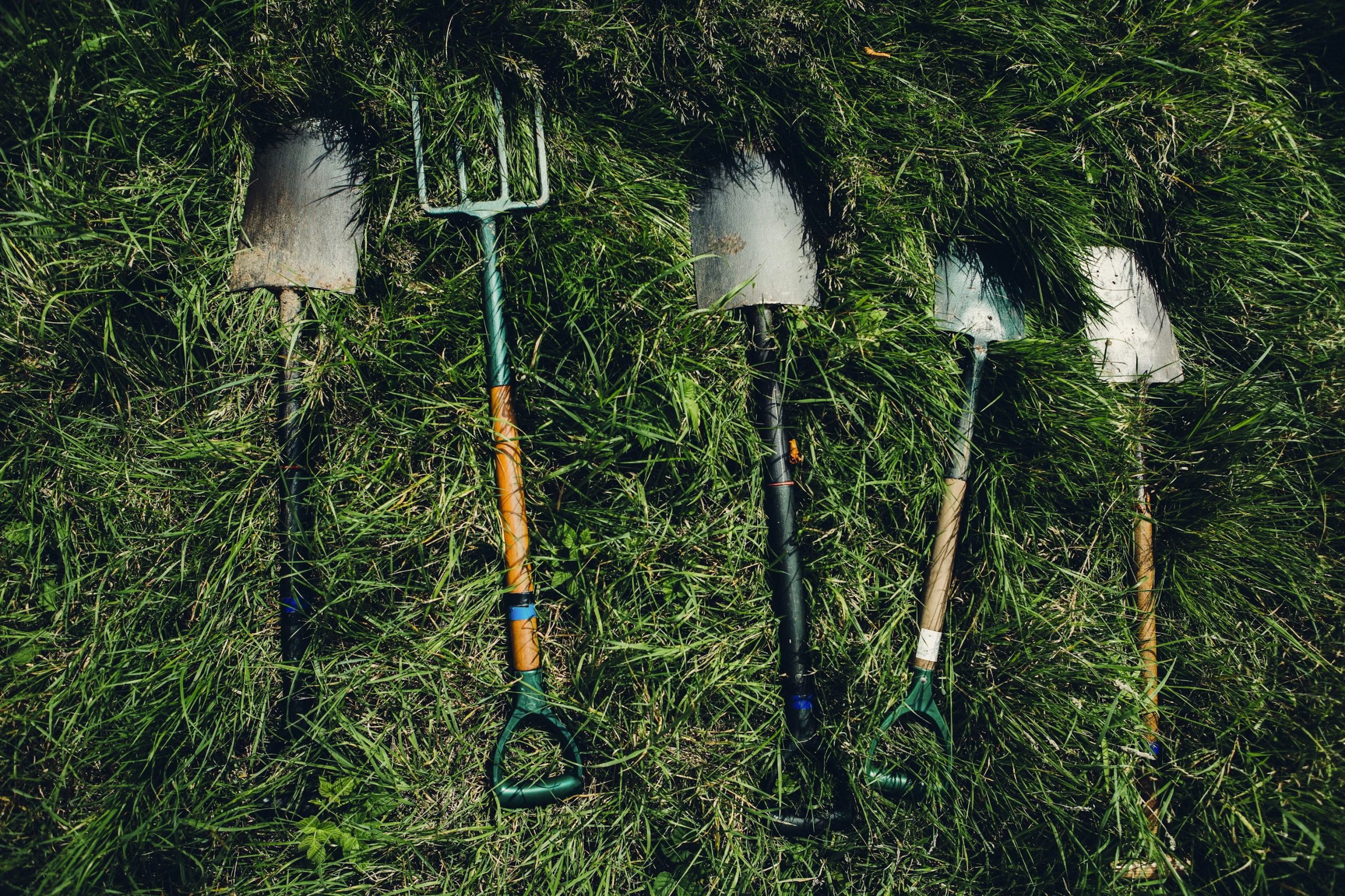
Shared tools for homestead projects
Take a look at the array of tools in the image above. Do you really need to own all of those yourself? One of the most empowering aspects of urban homesteading is realizing you don’t have to buy and store every big tool or gadget. Community tool sharing can save you hundreds of dollars and lots of storage space. Think about it: does every apartment on your block need its own power drill, ladder, pressure canner, or dehydrator when these items are used only occasionally? The answer is no. In fact, the average household power drill is used for just 13 minutes of its entire life [6]! It makes far more sense to borrow or swap tools when you need them, and lend out the ones you own but rarely use.
Homesteading communities have long recognized this inefficiency, which is why tool libraries and “libraries of things” are popping up in many cities. For example, the Toronto Tool Library holds an inventory of over 7,000 tools that members can borrow as needed [6]. When you share tools, one mower or tiller can serve a dozen families, instead of a dozen separate machines sitting idle most of the year. It’s both frugal and sustainable: fewer new tools need to be manufactured and fewer old ones end up in landfills. What if instead, neighbors could borrow from each other? [6] The environmental and economic benefits are obvious.
Using Plentifully, you can treat your neighborhood as a giant tool library. Have a shovel or a food dehydrator you only use occasionally? List it to lend or swap on the app. Need a pressure washer or a canning kit for a weekend? Check if someone nearby has one to share. Plentifully facilitates these exchanges with a safe, cash-free system. You might swap the use of your ladder in exchange for some homemade jam or simply agree to return a borrowed tool in good condition. By borrowing instead of buying, you’ll save money and avoid cluttering your small home with rarely used equipment. Plus, you’ll strengthen community ties: borrowing a tool often comes with a friendly chat, maybe a quick lesson on how to use it, and the kind of neighborly goodwill that money can’t replicate.
Bottom line: Why buy when you can borrow? Homesteading is about being resourceful, and that includes shared resources. The next time you’re eyeing an expensive tool for a DIY project, consider finding a swap partner instead. You might be surprised to find that the neighbor two doors down has exactly what you need, and is happy to lend it in return for a favor or future consideration. One lawnmower, one cider press, one heavy-duty blender serving an entire community. That is the smart way to live abundantly without unnecessary expense.
Closing the Loop: Zero Waste & Composting

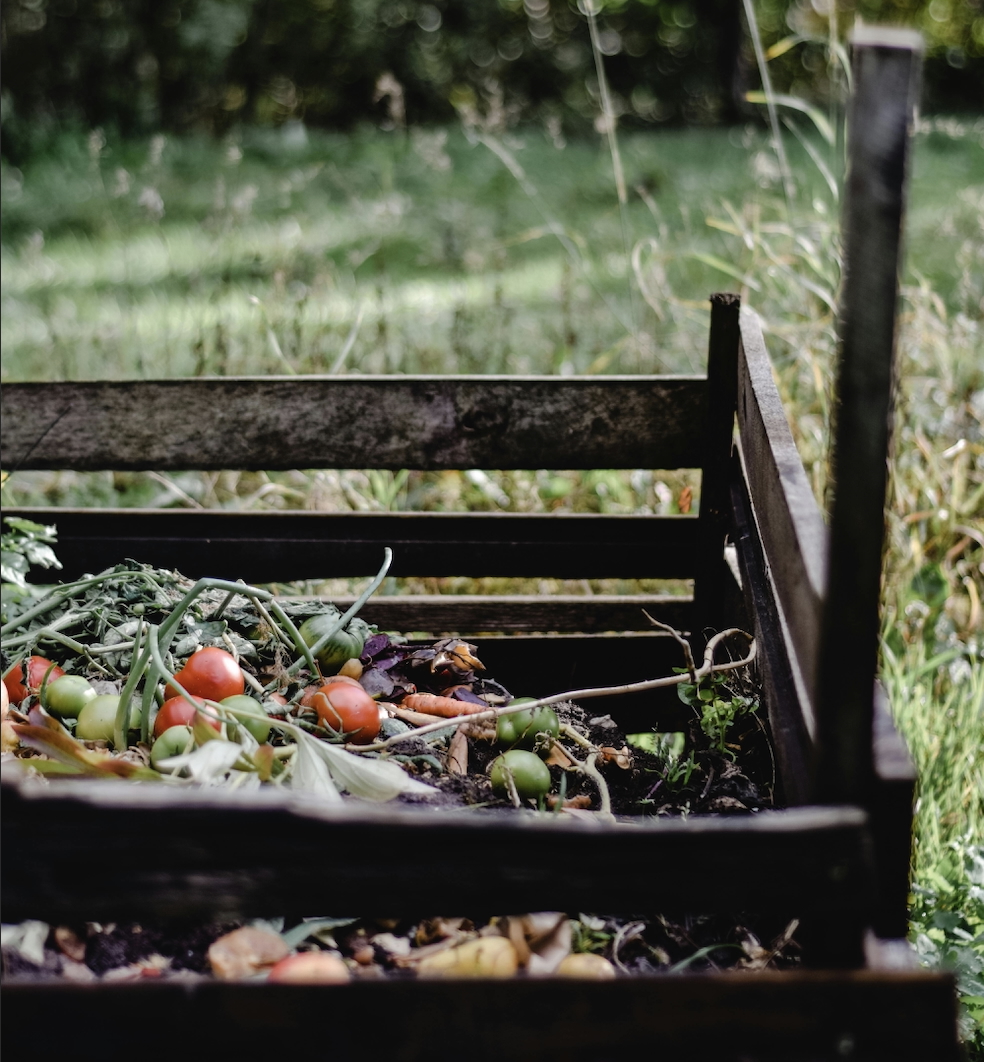
Turning kitchen scraps into garden gold
An urban homesteader’s mantra is “waste not, want not.” After you’ve grown your food and enjoyed it, there’s still one more step to complete the circle of abundance: dealing with waste in a sustainable way. Even in a city, you can practice a zero-waste lifestyle by composting organic scraps and finding creative uses for things that others throw away. Remember, in nature there is no “waste” because yesterday’s scraps become tomorrow’s fertilizer.
Start with your kitchen and garden scraps. Instead of sending food peels, coffee grounds, and wilted leaves to the landfill (where food remains the single largest category of waste at 24 percent [7]), turn them into black gold for your plants.
Composting can be done on a small scale in many ways, even in a city:
- A small lidded bin or tumbler on a balcony
- A worm composting system (vermicompost) under your sink or in a closet
- Dropping scraps at a community garden or city-run compost site
The result is nutrient-rich soil that can go back into your herb planters or container veggies, reducing the need to buy fertilizer. Even if you don’t personally garden much, your compost has value because there is likely a neighbor or a community garden nearby eager to take your bag of food scraps in exchange for a handful of fresh herbs or a couple of tomatoes later on. (Yes, swapping can apply to compost too!)
Closing the loop also means considering creative swaps for waste items. Do you brew kombucha or ferment pickles? Those extra SCOBYs or surplus jars could be swapped with someone who will use them. Have more manure from backyard chickens or extra mushroom-growing substrate than you need? Someone might swap you some produce for it. One of the cool features of a community like Plentifully is that it enables these less-obvious exchanges. For example, maybe you don’t have a garden, but you diligently save your kitchen scraps in a bucket. Through the app, you could find a local gardener who wants organic material for composting. You give them your food scraps and, in return, they share some of the finished compost or spare seedlings with you. Everybody wins: you keep garbage out of the landfill, and your neighbor gets more soil to grow food (which might come back to you in the form of veggies). Plentifully also lets you list shelf-stable surplus and preserved foods as donations or connect with local food banks and community fridges, so edible food reaches people instead of landfills.
Embracing a zero-waste mindset also encourages you to seek out items that would otherwise be thrown away. Urban homesteaders are experts at rescuing materials: wood crates become planters, old buckets collect rainwater, glass jars are reused for storage and canning. Before you toss something, ask if it has a homesteading use or if someone in the community could use it. Often, the answer is yes.
In summary, urban homesteading is about seeing abundance everywhere, even in what we usually call “waste.” By composting and swapping unwanted items, you ensure that every resource continues to circulate usefully. The carrot tops from dinner can become rich soil, and the old pallet can become a vertical garden rack. When you close the loop, you not only reduce your trash output (moving toward that zero-waste ideal), but you also save money on gardening supplies and connect with others who share your sustainable values. It’s a satisfying feeling to know that very little in your homestead truly goes to waste.
Conclusion & Call to Action

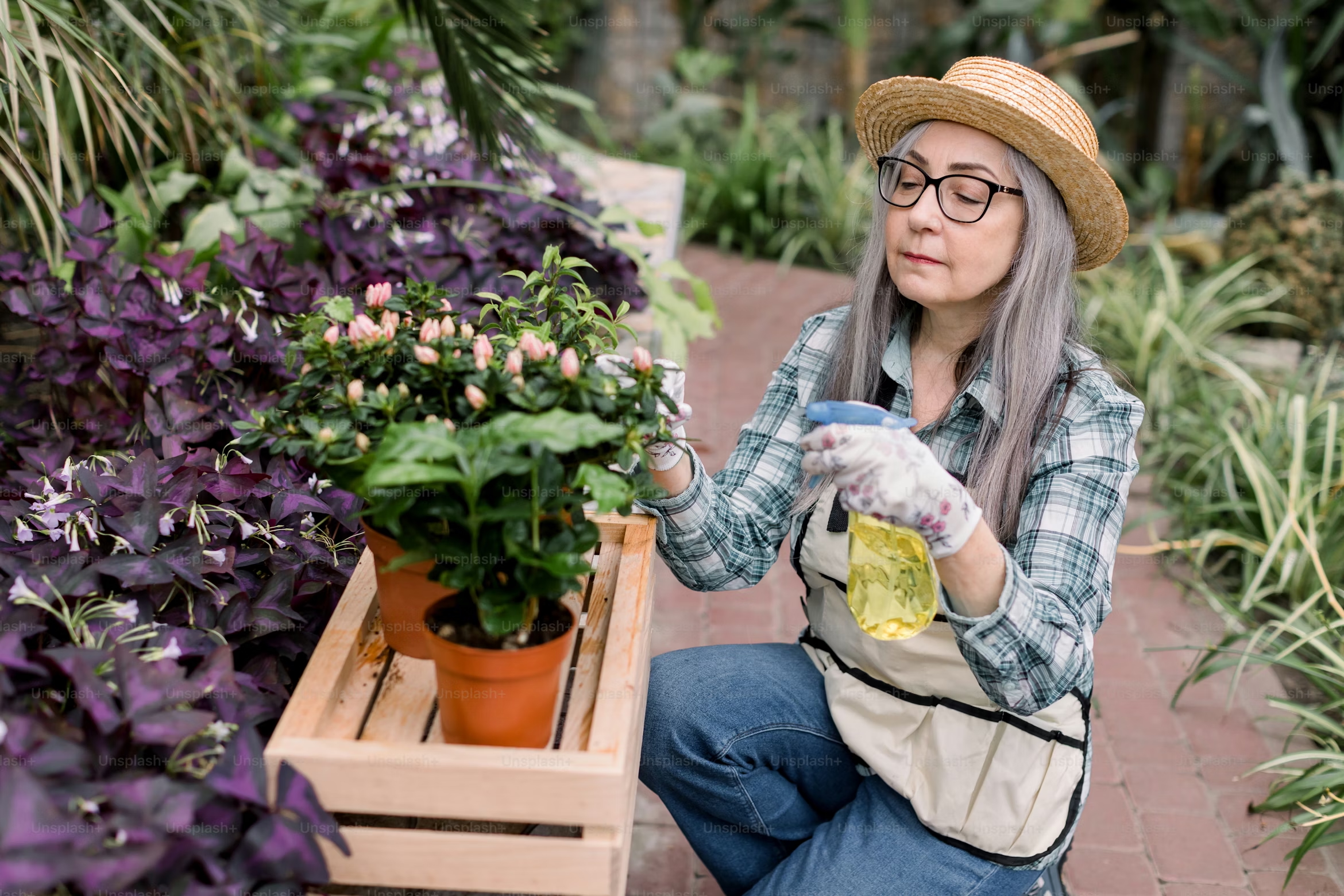
Small blooms in the city
By now, you’ve seen that urban homesteading is about abundance, not scarcity. It’s entirely possible to live more richly and sustainably right where you are, without a single acre of land. The key is leveraging the community around you. Grow what you can in your available space, share your excess, swap for what you lack, and help others do the same. You’ll find that an urban block or an apartment building can feel like a supportive village when everyone participates. When neighbors swap produce, tools, and know-how, everyone’s quality of life improves. We all eat better, spend less, waste less, and build friendships in the process.
The future of homesteading is cash-free and community-based for a reason: communities are stronger than individuals. You don’t have to do it alone. In fact, the most successful and satisfied homesteaders are those who cultivate community as passionately as they cultivate their gardens [4]. It’s about connecting, swapping zucchini for eggs, borrowing a dehydrator and returning it with a batch of dried fruit for the owner, giving your extra dill to a neighbor and later tasting it in pickles they share back with you. These are the rewards of the urban homesteading lifestyle that go way beyond saving money. They’re about trust, friendship, and resilience.
Ready to join the movement? Plentifully is here to help you get started and find your tribe of local swap partners. We are growing our early community in markets like Albuquerque, NM; Minneapolis, MN; St. Paul, MN; and Tampa, FL. We’re always looking to add new cities to our waitlist as we expand [8]. If you’re lucky enough to be in one of our early access areas, we invite you to sign up to start swapping with your neighbors.Â
Here is a simple way to get started in the next 30 days:
- Sign up for Plentifully early access.
- List one thing you can share (extra produce, tools, seeds, or skills).
- Complete your first swap or donation with a neighbor.
And if we haven’t launched in your city yet, you can join the waitlist to bring Plentifully to your community sooner.
Start your urban homesteading journey today: plant something (no matter how small), meet a fellow homesteader (online or next door), and sign up for early access to Plentifully. By taking these simple steps, you’ll be part of a growing movement to live abundantly through sharing and cooperation. Let’s reinvent the homestead as a network of city neighbors who have each other’s backs and share what we have for the good of all. After all, when we come together, our cities can provide plentifully for everyone.
Join the Plentifully community today to swap, share, and thrive in your urban homesteading adventure. We can’t wait to welcome you!
Urban Homesteading for Beginners: FAQs
What is urban homesteading?
Urban homesteading is a way of living more self-sufficiently in a city by growing food, making more of what you use, reducing waste, and sharing resources with neighbors. It is about a mindset of production and resourcefulness, not about owning a large piece of land.
Can I practice urban homesteading in an apartment?
Yes. You can start with container gardening on a windowsill or balcony, simple DIY skills, and small habit changes like composting and swapping with neighbors. Even a few pots of herbs and greens are enough to begin.
How much space do I need to start?
You can start with as little as a sunny window and a couple of containers. Focus on high-yield, container-friendly crops like herbs, salad greens, and cherry tomatoes, then expand as you gain confidence and learn what works in your space.
How does Plentifully help urban homesteaders?
Plentifully helps you swap what you have for what you need without using cash, whether that is extra produce, tools, seeds, or skills. You can also list items as donations or connect with local food banks and community organizations to route surplus where it is needed most.
Source
- Consumer Price Index Summary
- How to Start Urban Homesteading When You Live in a City
- What Are the Best Crops for High-Yield, Small-Space Urban Resilience Gardening?
- Is Self-Sufficiency a Farce? The Big Lie of Modern Homesteading Nobody That Needs To Be Discussed
- Building Community Through Bartering and Trading
- How tool sharing could become a public utility: Toronto Tool Library and Makerspace
- Composting – Sustainable Management of Food
- Plentifully