
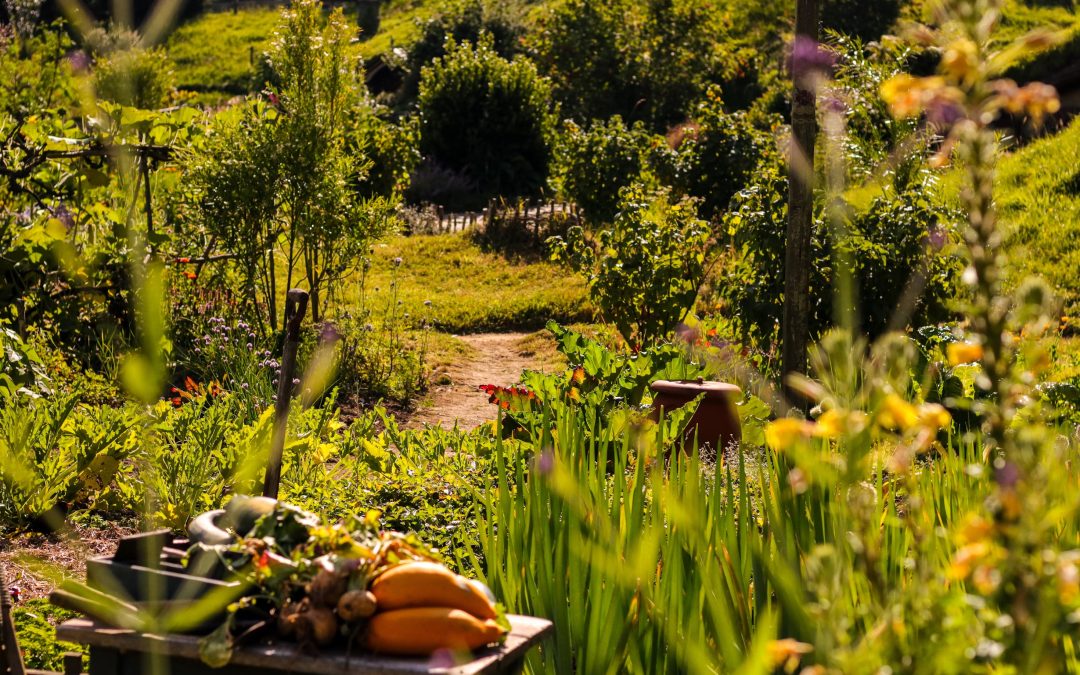
Growing Hope in Uncertain Times: The Power of Urban Farming and Community Gardens
When millions of Americans face the possibility of losing their SNAP food assistance, an empty grocery cart can feel like a looming reality. Families across the country are wondering how they will put food on the table if vital benefits are cut off. SNAP (Supplemental Nutrition Assistance Program) supports roughly 41.7 million Americans each month [1], so losing this lifeline would be devastating. In these times of uncertainty – marked by rising costs and threats to the social safety net – communities are responding with resilience and ingenuity. Rather than despair, neighbors are coming together to grow hope in the form of urban farms and community gardens.
The SNAP Safety Net Under Threat
The current climate has left many low-income households anxious. A combination of factors – from federal budget showdowns to program cutbacks – means food insecurity is on the rise. Nationally, 13.5% of U.S. households (18 million households) struggled with food insecurity in 2023, up from 12.8% the year before. For those relying on SNAP, recent events have been especially alarming. Now, late 2025, a government funding impasse threatened to halt SNAP benefits entirely, putting nearly 42 million people at risk of losing the assistance they count on [1]. This potential lapse comes after what has already been the largest proposed cut to SNAP in the program’s history [1].
Behind these statistics are real people – parents skipping meals so their kids can eat, seniors on fixed incomes stretching every dollar. The uncertainty of not knowing if next month’s groceries will be covered is a heavy burden. No one should have to choose between paying the electric bill and buying fresh vegetables for their family. And yet, that is the stark choice many could soon face.
But in the face of this looming crisis, communities are not standing idle. Across America, individuals and local groups are stepping up to ensure that, no matter what happens in Washington, their neighbors won’t go hungry. One of the most inspiring responses has been the rise of urban farming and community gardening as a grassroots solution to food insecurity.
Communities Plant Seeds of Resilience
Volunteers working together in a community garden, sharing knowledge and nurturing fresh produce. Community gardens often become hubs of learning, nourishment, and mutual support in neighborhoods.
The sight of neighbors tending tomatoes in a reclaimed vacant lot or trading zucchini over a fence might seem simple, but it’s a powerful act of resilience. Urban farming and community gardens turn underutilized spaces – backyards, rooftops, schoolyards, even church lawns – into sources of fresh, healthy food. In times of crisis, Americans have a history of turning to the soil for support. During World War II, for example, home “Victory Gardens” produced over 40% of the nation’s fresh vegetables by 1944, easing wartime shortages [3]. This legacy lives on today as modern victory gardens spring up in city neighborhoods to combat hunger.
In fact, whenever uncertainty has struck, the instinct to grow and share food resurges. During the 2020 pandemic, 18.3 million new gardeners started growing their own food in the U.S. – a surge unlike any seen since WWII [4]. People embraced gardening both to regain some control over their food supply and to find hope and purpose during lockdowns. By 2021, an estimated 42 million American households were growing food at home or in community plots [4] – a testament to how widespread this movement has become. These backyard and community growers are cultivating more than just carrots and kale; they’re cultivating solidarity and self-reliance.
Community gardens especially have blossomed as safe havens and food sources in low-income and urban areas. Often organized by local volunteers or nonprofits, many gardens explicitly aim to help feed those in need. Some reserve plots where produce is grown for donation to food pantries and families in the community [2]. For example, in one county in New York, just six community gardens managed to donate over 5,700 pounds of fresh produce to local food banks in 2020 [5]. On a larger scale, a community “Plant It Forward” program in Colorado saw home gardeners contribute more than 50,000 pounds of vegetables and fruits in a single season, all given to families facing hunger [6]. These numbers represent thousands of plates filled and thousands of hearts comforted by the knowledge that their community cares.
Feeding Families and Fostering Hope
Urban farms and community gardens bring tangible relief to struggling households. They put fresh, nutritious fruits and vegetables directly into the hands of those who might otherwise go without. Perhaps most remarkably, research shows community gardening can dramatically improve food security. One study found that participating in a community garden reduced household food insecurity by as much as 90% – in other words, families that garden are far less likely to go hungry [2]. Even a small plot can make a big difference. On average, a typical community garden plot (just 10-15 square feet) can yield over 20 servings of fresh produce during a growing season [2]. That’s weeks of salads, soups, or stir-fries that didn’t have to be bought at a store. And because gardeners can save seeds and regrow crops, the benefits multiply year after year.
The return on investment for community gardening is extremely high. Every $1 invested in a community garden yields around $6 worth of produce [2] – a huge boost in efficiency when budgets are tight. For families watching grocery prices climb, growing even a portion of their own food is like reclaiming income. Gardeners often report that their grocery bills drop significantly during harvest season, freeing up money for other essentials.
Beyond the calories and dollars, there are priceless benefits: health, knowledge, and community connection. People who grow their own food (or participate in community gardens) tend to eat more fresh produce – one survey found community gardeners eat 37% more fruits and veggies than non-gardeners [2], improving nutrition and wellness. Garden projects also teach valuable skills, from composting to cooking, that empower people to take control of their food future. Children who get involved learn where food comes from and develop healthier eating habits.
Equally important, these gardens nourish hope and dignity. Harvesting food you grew yourself or receiving a bag of homegrown tomatoes from a neighbor carries a sense of pride and caring that a food pantry line can’t always provide. In gardens, people from all walks of life dig and weed side by side – community organizers, SNAP recipients, seniors, and students working together. This breaks down isolation and stigma. Each tomato, each bunch of kale, comes with a story and a human connection. In neighborhoods that felt forgotten, a thriving garden can be a beacon of renewal – even boosting community morale and safety. (Notably, studies have found that establishing a community garden can correlate with a reduction in neighborhood crime and an increase in property value as the area becomes more vibrant [2])
Today, there are over 29,000 community gardens in the 100 largest U.S. cities alone [2], and countless smaller towns have their own grassroots projects. This vast network of urban farms, school gardens, church gardens, and backyard sharing co-ops represents a quiet revolution in how we address hunger. It’s not replacing SNAP or formal assistance programs, but it’s softening the blow when those systems falter. When federal aid is uncertain, the soil remains dependable. When a family can’t afford enough groceries, neighbors with shovels and watering cans step up.
A New Kind of Community Support: Bartering Abundance
Innovation is amplifying these community efforts even further. One exciting development is the creation of community marketplaces that let local growers share their abundance with others. At Plentifully, the soon-to-launch Community Barter Marketplace is one such initiative designed to turn individual gardens into a larger community safety net – with no cash needed. The concept is simple but powerful: those who have a surplus of homegrown produce (or even seeds and gardening tools) can swap with others who have different items, or who simply need food. Instead of dollars, trust and goodwill are the currency.
Plentifully’s platform connects urban farmers and community growers to swap produce and supplies through nearby pickup hubs with zero money changing hands [7]. Got more tomatoes than you can eat, but need eggs or zucchini? Post your offer. Looking for fresh greens or a packet of seeds? Post your request. The app will match neighbors so that everyone’s needs are met through mutual exchange. By facilitating these swaps in a safe, organized way (with community pickup points and user feedback for trust), the Plentifully marketplace helps ensure nothing grown in our community goes to waste while people who are struggling get access to more fresh food choices. It’s like reviving the tradition of bartering with your neighbors, boosted by modern technology and a wider network.
Such a system is a win-win. Gardeners who have grown more than they need gain a way to share that bounty (and perhaps receive something useful in return), and families in need gain a new avenue to obtain healthy produce without stigma or cost. Barter markets and swap networks foster a culture of sharing and abundance rather than scarcity. They remind us that even if our bank accounts are low, our communities are rich in resources and compassion – we just need a way to connect the dots. Plentifully’s Community Barter Marketplace aims to be that connector, turning backyards into buffers against hunger.
This platform is launching soon, and it couldn’t come at a more crucial time. As uncertainty swirls at the national level, we can create certainty at the local level by relying on each other. Plentifully invites community organizers, urban farmers, gardeners, and anyone passionate about food security to join this movement. By signing up, you become part of a growing network dedicated to ensuring everyone eats, no matter what.
Growing Hope Together: Join the Movement
In the face of hardship, our community’s response is clear: we will grow our way through this. Urban farming and community gardens are not just about food – they are about empowerment, unity, and resilience. Every seed planted is an act of hope; every shared harvest is proof that we are not alone. When government programs wobble, the roots we’ve planted in our neighborhoods hold firm. From coast to coast, these green oases are feeding families and nurturing spirits, one tomato and one conversation at a time.
We each have a role to play in this community food revolution. You can support a local community garden or even start a plot in your own yard. You can share extra produce with a neighbor or donate it to a local food pantry. And you can leverage new tools like Plentifully to multiply the impact of these individual actions into something bigger. Visit us at plentifully.co to learn more and sign up for the early access to join Plentifully’s Community Barter Marketplace. By joining now, you’ll be first in line when the platform launches to swap your harvest or donate in strengthening your neighborhood, and be a part of a community-driven solution to hunger.
Times are uncertain, but one thing is not: the power of community. Together, by turning vacant lots into gardens and strangers into friends, we can ensure that everyone has plenty. In gardens across America, hope is growing, and we invite you to grow it with us.
Sources:
- [1] United Way of King County – Impending Loss of SNAP Benefits Adds to a Distressing 2025 uwkc.orguwkc.org
- [2] Five Rivers MetroParks – Community Gardening Facts & Statistics (2024) metroparks.galaxydigital.commetroparks.galaxydigital.com
- [3] West Virginia Press – Locally Grown Food Movement Expanding (Victory Gardens) wvpress.org
- [4] Don Kinzler, InForum – Pandemic Gardening Boom inforum.cominforum.com
- [5] Cornell Cooperative Extension Orange County – Community Gardens Donate Produce cceorangecounty.org
- [6] Feeding America – Gardens Providing Fresh Produce to People in Need feedingamerica.org
- [7] Plentifully – Community Barter Marketplace (platform description) plentifully.co